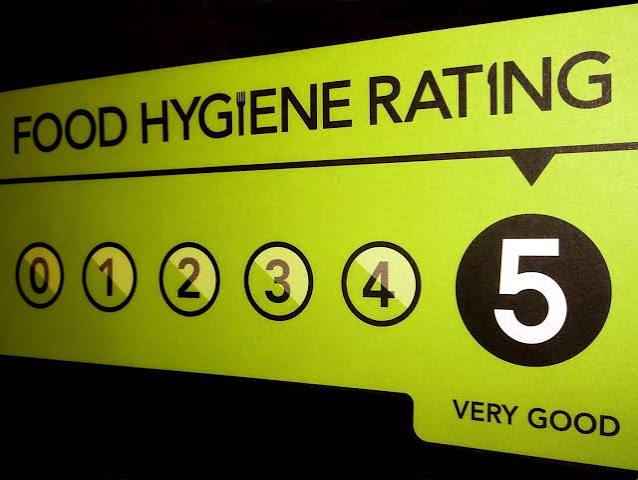
The Environmental Health Officer has been. You thought you were reasonably well prepared, but now you have a list of things to put right and a rating you weren’t expecting.
Your heart sinks. You think about the hours you put into the business, how hard your team works and what your customers might say.
It can feel personal.
Before you start blaming yourself, your chef or the person who forgot to complete yesterday’s records, take a breath. A disappointing food hygiene rating needs attention, but it doesn’t mean that everything you have built is lost. There is a way forward, and it starts with understanding what went wrong.
Start with the report
It is tempting to jump straight into action. Book a deep clean, send everyone on another course, download a new set of forms.
Any of those might help. But first, read the inspection report.
Your food hygiene rating reflects the standards found at the time of the inspection across three areas: how food is handled, the cleanliness and condition of the premises, and how food safety is managed. Understanding where the concerns sit makes the report much easier to work through. The Food Standards Agency explains the scheme in its guidance for businesses.
Read it with the person responsible for the kitchen. If something is unclear, ask the officer to explain it. You need to understand the concern before you can decide how to address it.
Some issues will need immediate action. Others may involve repairs, changes to routines or a closer look at how responsibilities are shared. Follow the priorities and timescales given, rather than starting with whichever job looks easiest.
Be careful of the quick fix
Once you start looking for help, social media seems to have an endless supply of answers.
An app to record your temperatures. Software to write your food safety procedures. Reminders telling everyone when to clean. Sometimes the promise goes further, suggesting that a subscription is the route to a five-star rating.
Digital tools can be useful. But before committing to a monthly payment, consider what problem you actually need to solve.
A completed temperature record matters. However, what the EHO is looking for isn’t perfection on all of your records, what they really want to know is what action gets taken when the reading shows something is wrong.
Look at the kitchen with fresh eyes
When you work somewhere every day, it is surprisingly easy to stop noticing things.
The pipework above the preparation area may be gradually collecting grease and dust. A gap behind equipment becomes somewhere nobody can reach. A damaged surface stays on the list of jobs to tackle “when we get a quiet week”.
Over time, these things become familiar.
Walk through the kitchen and look beyond the obvious work surfaces. Can the areas that need cleaning actually be reached? Does the layout make the job unnecessarily difficult? Are there neglected spaces where pests could go undetected?
Older buildings can bring challenges. Leaks, damp and worn finishes need attention, and extra cleaning alone will not resolve a building defect. Where repairs take time, you need to understand how food will be protected while the underlying problem is addressed.
The useful question is often why something has been allowed to continue, rather than simply who last cleaned it.
Does your paperwork describe your working day?
A food safety folder can look very impressive on a shelf.
Its real value becomes clear during service, when a delivery arrives, a fridge develops a fault or the usual kitchen lead is off.
Do people know what to do? Do the written procedures match the menu, equipment and methods currently being used? Have changes in staff or working practices left parts of the system behind? If you use Safer Food, Better Business, check that your pack still matches how your kitchen works today.
This is central to confidence in management: whether the systems, knowledge and checks in place give the officer confidence that good standards will be maintained.
That deserves more thought than simply adding another form.
Bring your team into the conversation
A poor rating can leave a team feeling embarrassed and defensive, especially when they have been working hard.
You still need clear responsibility, but start by listening.
Perhaps a cleaning task has no clear owner. Perhaps a new member of staff was shown where to record a check without being taught what the result means. Perhaps everyone assumed somebody else was reporting the broken equipment.
Understanding those gaps helps you make changes that people can follow during a busy shift.
It also gives the team a constructive role in putting things right.
Give yourself a clear way forward
You do not have to solve every problem in one conversation. You do need to know what requires urgent attention, who is taking responsibility and how you will check that improvements are working.
Keep talking to your EHO where you need clarification. Asking a sensible question is more useful than guessing what the report means.
A disappointing rating can knock your confidence. Allow yourself to acknowledge that, then work through the findings with a clear head.
The next chapter of your business will be shaped by what you do now. Start with the report, involve your team and build improvements into the everyday running of the kitchen. Confidence can be rebuilt, one practical change at a time.
Want a second pair of eyes on your report? Our EHO Review looks at your report and how your kitchen really runs, then helps you put things right. Or request a free 20 minute cost review.